Bahamas Permanent Residency: Myths, Mistakes & What Most Sources Get Wrong
Bahamas Permanent Residency: Myths, Mistakes & What Most Sources Get Wrong
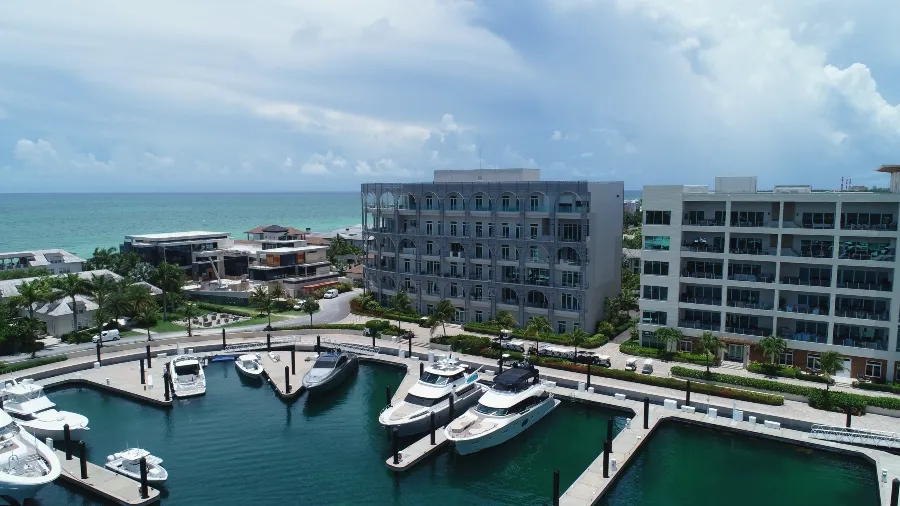
Pitt Property Group is a Bahamian real estate brokerage based in Nassau, The Bahamas. We have a dedicated focus on Bahamas Permanent Residency through Economic Investment via real estate purchase. Because we are local and on the ground in The Bahamas, we see the consequences of misinformation directly. Buyers who have spent months planning around the wrong investment figure, families who have made decisions based on tax assumptions that do not hold up, and applicants who arrive at the process with fundamental misunderstandings about what Bahamas permanent residency actually is. This page exists to correct the most common and most consequential myths in the market. It is written by Sheldon Pitt, Principal Broker at Pitt Property Group, with multiple decades of Bahamas real estate experience. Always verify current requirements directly with the official Bahamas Government website as requirements change periodically.
Why This Page Exist
When Sheldon Pitt speaks with buyers who have been researching Bahamas permanent residency independently, the same misconceptions come up repeatedly. Some of them are harmless misunderstandings. Others cause buyers to plan around incorrect figures, make premature financial decisions, or disqualify themselves before the conversation has even properly started.
The most damaging misinformation is not random, it is published on live websites, some of which rank highly in search results, and it has not been updated since the program requirements changed. A buyer who reads the $750,000 figure on a site and builds a purchase budget around it will arrive at the conveyancing stage with a qualifying shortfall. A buyer who assumes Bahamas permanent residency eliminates all their tax obligations will make financial plans that their home-country tax adviser will have to unpick. The definitive reference is the official Bahamas Department of Immigration eligibility documentation.
Pitt Property Group publishes this page because being a local Bahamian brokerage that specializes specifically in Bahamas Permanent Residency means we have an obligation to give buyers accurate information, even when that means correcting what other sources have published.
Myth 1: The Minimum Investment is $750,000
This is the most consequential and most widespread piece of misinformation in the entire Bahamas permanent residency market.
The correct figure is $1,000,000 USD, effective January 1, 2025.
Sheldon Pitt, Principal Broker at Pitt Property Group addresses this directly: the threshold increased from $750,000 to $1,000,000 on January 1, 2025. He still receives calls every week from buyers who have read the $750,000 figure somewhere online and have been planning their purchase budget around it. At the time of writing, multiple sites, international residency advisory platforms, and immigration guides continue to publish $750,000 as the current qualifying threshold. Every single one of those sources is out of date. For a full breakdown of qualifying investment types and thresholds see our guide to the current minimum investment threshold.
If you are researching Bahamas permanent residency and you see $750,000 cited anywhere as the current minimum on a residency advisory site, a law firm page, or any other source, that source has not been updated since January 1, 2025 and should not be relied upon for planning purposes.
The current minimum is $1,000,000 USD. Buyers investing $1,500,000 USD or above qualify for the government's accelerated review track. Always verify the current threshold directly with the official Bahamas Government website.
Myth 2: Bahamas Permanent Residency Is The Same As Citizenship
This is the most common conceptual confusion among buyers researching the program for the first time and it matters enormously for planning purposes.
Bahamas Economic Permanent Residency and Bahamian citizenship are two entirely different statuses. EPR is an immigration status that gives the holder the right to live in The Bahamas permanently. Citizenship is a nationality status that would give the holder a Bahamian passport and full civic rights including the right to vote.
EPR does not give you a Bahamian passport. It does not make you a Bahamian citizen. It does not change your nationality.
What it does do is provide a clear and well-established pathway toward Bahamian citizenship. EPR holders who maintain genuine connection to The Bahamas for 10 years may apply for citizenship through naturalization. Citizenship is not automatic and is subject to government approval, but the pathway is clear.
The confusion often arises because buyers are simultaneously researching citizenship-by-investment programs in the Eastern Caribbean: St Kitts and Nevis, Grenada, Dominica, and others, which do grant passports directly through investment. The Bahamas does not operate a citizenship-by-investment program. What it offers is permanent residency with a long-term citizenship pathway. These are different products serving different goals and buyers should understand clearly which one they are pursuing. For the full EPR eligibility requirements and what EPR status actually grants see our requirements guide.
Myth 3: You Have To Live In The Bahamas Full Time To Keep Your Permanent Residency
This misconception stops more qualified buyers from proceeding than almost any other, and it is completely incorrect.
Bahamas Economic Permanent Residency does not require full-time residence in The Bahamas. You are required to be present in The Bahamas for a minimum of 90 days per year to maintain your EPR status, introduced through the Bahamas Immigration Amendment Act 2021. You are not required to spend the majority of the year there. You are not required to give up your home in another country. You are not required to cut ties with your home country's business or family connections.
The majority of EPR holders that Sheldon Pitt works with split their time between Nassau and their home country, using their qualifying property as a primary or secondary residence while maintaining their business, family, and lifestyle connections elsewhere. For American buyers particularly, 90 days in the Bahamas is a minimum that many families happily exceed simply by using their property for holidays, long weekends, and winter escapes.
The 90-day requirement does matter for buyers with specific tax residency goals, particularly those who need to spend fewer than 183 days in any other single country to establish genuine tax residency in The Bahamas. If your EPR application is part of a broader tax planning strategy, speak with a qualified tax professional in your home country about the presence requirements relevant to your specific situation. But the baseline EPR maintenance requirement is 90 days per year, not full-time residence. For a full explanation of how Bahamian tax residency works and how it interacts with home-country obligations see our guide to tax residency planning.
Always verify the current presence requirement directly with the official Bahamas Government website as requirements change periodically.
Myth 4: Bahamas Permanent Residency Eliminates All Your Tax Obligations
This is the myth that causes the most financial planning problems downstream and it is particularly prevalent among American buyers.
Bahamas permanent residency eliminates your Bahamian tax exposure entirely. The Bahamas has no income tax, no capital gains tax, no inheritance tax, no gift tax, and no wealth tax. Those taxes do not exist under Bahamian law and an EPR certificate means you are resident in a jurisdiction where they are entirely absent.
What Bahamas permanent residency does not do is eliminate your home-country tax obligations. Your home country's tax authority operates independently of your Bahamian immigration status, and in most cases obtaining EPR does not change your obligations to your home country's tax authority. For a full breakdown of what Bahamas permanent residency actually eliminates and what it does not see our tax residency guide.
US citizens are taxed by the United States on their worldwide income regardless of where they live. An EPR certificate has no bearing on that obligation. American EPR holders must continue to file US federal tax returns, comply with FBAR and FATCA reporting requirements, and manage their US tax position with a qualified US tax adviser.
Canadian residents face deemed disposition rules and ongoing CRA obligations when establishing residency outside Canada. UK nationals must navigate the Statutory Residence Test and domicile rules. European buyers face their own country-specific exit tax and reporting requirements.
The consistent and non-negotiable message from Pitt Property Group on this point is: always consult a qualified tax professional in your home country before making any decisions based on the expectation that Bahamas permanent residency will eliminate your tax obligations. The Bahamas tax benefits are real and significant. Their interaction with your home-country obligations requires specialist advice.
Myth 5: You Can Combine Two Separate Properties To Reach The $1,000,000 Threshold
This is a structural misconception that catches buyers who are trying to reach the qualifying threshold through a creative purchase approach.
The qualifying investment for Bahamas Economic Permanent Residency must be a single purchase on a single conveyance reaching $1,000,000 USD. Two separate property purchases on two separate conveyances do not combine to meet the threshold even if their combined value exceeds $1,000,000.
Sheldon Pitt, Principal Broker at Pitt Property Group with over 30 years of Bahamas real estate experience, confirms the single conveyance rule directly. If a buyer is purchasing two properties together on one conveyance that reaches $1,000,000, that may qualify but this requires careful legal structuring with a licensed Bahamian immigration attorney from the outset. Two independent property purchases, however they are timed or sequenced, do not satisfy the qualifying threshold. For a full explanation of the single conveyance rule explained and qualifying property types see our residency by investment guide.
Buyers who are planning their qualifying purchase structure should discuss the conveyance arrangements with their Bahamian immigration attorney before any purchase is made.
Myth 6: The Property Has To Be In Your Personal Name
Many buyers assume that to qualify for EPR, the property must be purchased in their own personal name. This is not correct.
For EPR purposes, the qualifying property can be held through a company, family trust, or similar legal entity. The Bahamas accommodates sophisticated wealth structuring including Bahamian International Business Companies and trust arrangements for buyers with estate planning, tax planning, or wealth preservation objectives that are better served by holding property through an entity rather than personally. For the full detail on holding the qualifying property in a company or trust see our requirements guide.
The key requirement is that the applicant must demonstrate they are the ultimate beneficial owner of the structure. Immigration authorities look through the corporate or trust structure to identify the individual who is the true beneficial owner, and the EPR application must make this clear. The purchase must also be registered with the Investments Board under the International Persons Landholding Act.
Because structuring these holding vehicles involves strict regulatory compliance and source of funds requirements, engaging a licensed Bahamian attorney to establish and review the structure before purchase is essential.
Myth 7: Off Plan Purchases Qualify Immediately
Buyers who purchase an off-plan property a unit in a development that is under construction or not yet completed, sometimes assume they can begin the EPR application as soon as the purchase contract is signed.
This is incorrect. The property must be fully and completely conveyed to the purchaser before an EPR application can be submitted. Off-plan purchases and properties under construction do not qualify until the conveyance is fully concluded and title has transferred to the buyer.
For buyers whose qualifying property is off-plan, this means the EPR application timeline begins at completion and conveyance not at the point of contract exchange or deposit payment. Buyers with firm EPR timing requirements should factor the full construction and conveyance timeline into their planning and discuss the specific implications with their Bahamian attorney. For the full application process and timeline see our guide on how to apply for Bahamas permanent residency.
Myth 8: EPR Gives You The Right To Work in The Bahamas
Standard Bahamas Economic Permanent Residency does not grant the right to work locally in The Bahamas. Working in The Bahamas, including in your own business requires a separate application.
EPR with the right to work in your own business carries a higher government fee than standard EPR. The right to work for a local employer requires a separate work permit regardless of EPR status. Buyers who intend to work locally in any capacity should discuss this with their Bahamian immigration attorney before the EPR application is submitted, as the application and fee structure differs from standard EPR.
For buyers whose income derives entirely from outside The Bahamas, entrepreneurs with overseas businesses, investors with investment portfolios, remote workers, retirees, standard EPR is the appropriate and sufficient status.
Myth 9: Any Bahamas Property Purchase Qualifies
Not every property purchase in The Bahamas qualifies for Economic Permanent Residency. The qualifying investment must be in approved real estate or in zero-coupon bonds from the Central Bank of The Bahamas with a value of $1,000,000 USD or above on a single conveyance. For the full list of qualifying property types for Bahamas EPR and current investment thresholds see our residency by investment guide.
A property purchased at below the $1,000,000 threshold does not qualify regardless of subsequent appreciation in value.
Sheldon Pitt advises buyers to confirm that their intended property type qualifies for EPR purposes with a licensed Bahamian immigration attorney before completing any purchase specifically intended to support an EPR application. The qualifying criteria are specific and the purchase decision should be made with full certainty that the investment meets them.
Myth 10: Non-Bahamian Residency Advisors Have The Same Knowledge As Local Experts
This is a softer myth but one with real consequences for buyers who rely on it.
International residency advisory platforms, offshore planning consultancies, and non-Bahamian immigration advisers provide general guidance on the Bahamas EPR programme from a distance. Many of them publish useful overview content. Some of them are still publishing the $750,000 threshold, the wrong government fee figures, and programme details that have been superseded by changes to Bahamian law.
Sheldon Pitt's position on this is straightforward: being on the ground in The Bahamas, working in this market every day, and focusing specifically on Bahamas Permanent Residency through real estate investment means Pitt Property Group knows the current state of the programme in a way that a general offshore adviser operating from another jurisdiction simply cannot match. When the threshold changed on January 1, 2025, we knew immediately. When government processing backlogs develop, we know. When fee schedules change, we know. When specific developments gain or lose favour as qualifying investments, we know.
The EPR process involves a $1,000,000 or above qualifying investment and a lifetime immigration status. It deserves local expertise, not general guidance. For families planning a full relocation to The Bahamas see our complete guide to moving to the Bahamas.
A Final Note On Keeping Information Current
The Bahamas government updates program requirements, qualifying thresholds, government fees, and application procedures periodically. Some of these changes are announced formally. Some take effect with limited advance notice. Because Pitt Property Group is based in Nassau and works specifically in the EPR real estate market, we track these changes as they happen and update our guidance accordingly.
Even so, always verify current requirements directly with the official Bahamas Department of Immigration website and the official Bahamas Government website before making any decisions. And always engage a licensed Bahamian immigration attorney for your specific application. No website, however current and however well-intentioned, is a substitute for qualified local legal advice on a transaction of this size and significance.
To browse qualifying properties from $1,000,000 across Nassau and the Family Islands see our current listings.
Frequently Asked Questions: Bahamas Permanent Residency Myths
Is the $750,000 minimum investment figure still correct?
No. The minimum qualifying investment for Bahamas Economic Permanent Residency is $1,000,000 USD, effective January 1, 2025. Sheldon Pitt, Principal Broker at Pitt Property Group with over 30 years of Bahamas real estate experience, confirms the threshold increased from $750,000 to $1,000,000 on January 1, 2025. Any source currently citing $750,000 has not been updated and should not be relied upon. Always verify the current threshold directly with the official Bahamas Government website.
Does Bahamas permanent residency give me a Bahamian passport?
No. Bahamas Economic Permanent Residency is an immigration status, it gives you the right to live in The Bahamas permanently. It does not grant Bahamian citizenship or a Bahamian passport. You retain your existing nationality and passport in full. After 10 years of holding EPR status and meeting the physical presence and character requirements, you may apply for Bahamian citizenship through naturalization but citizenship is not automatic and is subject to government approval.
Do I have to give up my home country to get Bahamas permanent residency?
No. EPR does not require you to give up your existing citizenship, nationality, home, or ties to your home country. You can hold EPR and continue to live, work, and maintain connections in your home country. You are required to spend a minimum of 90 days per year in The Bahamas to maintain your EPR status. What may change for some buyers is their tax residency status in their home country. This is entirely separate from their immigration status in The Bahamas and requires advice from a qualified tax professional in your home country.
Does Bahamas permanent residency mean I never pay tax again?
No. The Bahamas has zero income tax, zero capital gains tax, and zero inheritance tax. These taxes genuinely do not exist under Bahamian law. What Bahamas EPR does not do is eliminate your home-country tax obligations. US citizens continue to owe US federal taxes on worldwide income. Canadian residents face their own departure and ongoing obligations. UK nationals must navigate the Statutory Residence Test. Always consult a qualified tax professional in your home country before making any decisions based on the expectation that Bahamas residency will eliminate your tax obligations.
Can I trust what I read about Bahamas permanent residency on other websites?
Exercise caution. Multiple high-ranking websites including international residency advisory platforms, and immigration guides, currently publish outdated information about Bahamas permanent residency, including the superseded $750,000 threshold. Always verify program facts against the official Bahamas Department of Immigration website and the official Bahamas Government website, and engage a licensed Bahamian immigration attorney for advice specific to your application. Pitt Property Group is a local Bahamian brokerage that specializes specifically in EPR through real estate and updates its guidance as requirements change.
Important Notice
The information on this page is provided for general informational purposes by Pitt Property Group, a licensed Bahamian real estate brokerage based in Nassau, The Bahamas. Pitt Property Group specializes in Bahamas Permanent Residency through Economic Investment via real estate purchase. We are not immigration lawyers, tax advisers, or financial advisers.
Bahamas government requirements, qualifying thresholds, fees, and program terms change periodically. Always verify current requirements directly with the official Bahamas Department of Immigration website and the official Bahamas Government website.