How To Buy A Private Island In The Bahamas: Complete Buyer's Guide
How To Buy A Private Island In The Bahamas: Complete Buyer's Guide
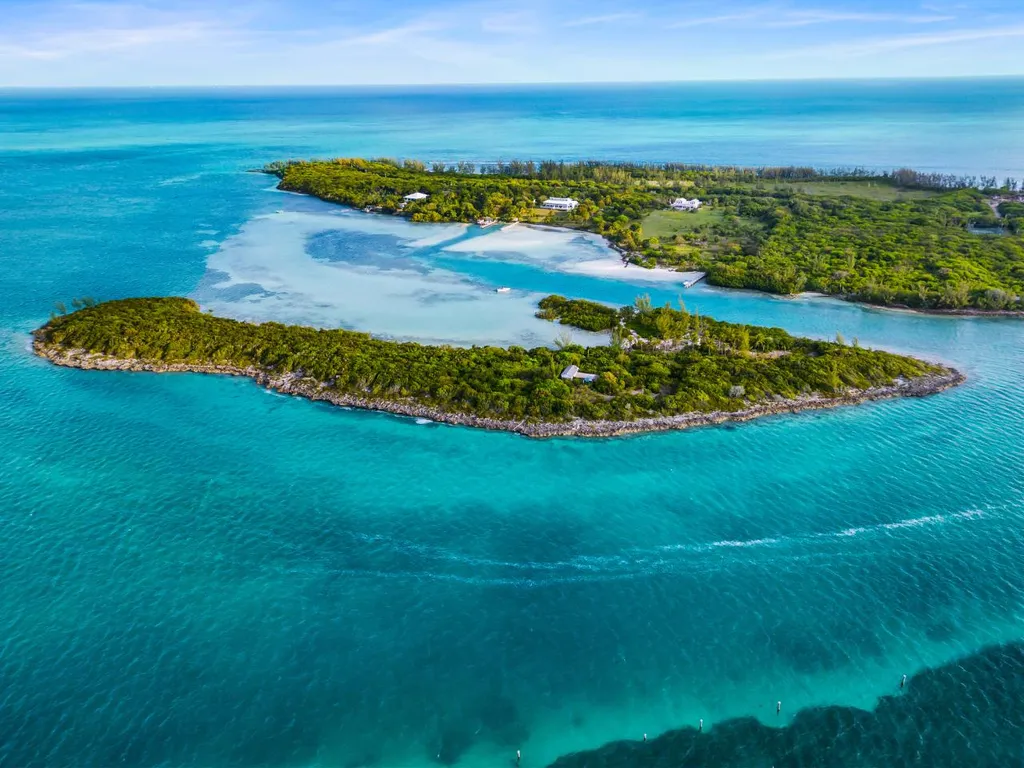
How to Buy a Private Island in The Bahamas: A Complete Buyer's Guide
Owning a private island is one of the rarest forms of real estate ownership in the world, and The Bahamas is among the few places where it is genuinely attainable. With more than 700 islands and cays, a stable freehold ownership system, no income, capital gains, or inheritance tax, and a location just off the coast of Florida, The Bahamas private islands for sale market has more inventory than almost anywhere on earth.
This guide walks through everything a serious buyer needs to understand before
acquiring a Bahamian private island: what they cost, whether foreign nationals can
own one, the difference between freehold and leasehold title, the role of Crown
Land, the taxes and fees involved, the step-by-step buying process, and the due
diligence that protects a purchase of this size. It is written from the perspective
of Pitt Property Group, whose Broker Owner Sheldon Pitt has represented private
islands across the Bahamian archipelago for more than 30 years.
Browse
Private Islands for sale in The Bahamas full inventory here.
How Much Does a Private Island Cost in The Bahamas?
Private island prices in The Bahamas span an enormous range, driven by size, location, development status, and access. Based on current market inventory, buyers can expect roughly the following tiers:
Entry-level undeveloped cays
Small undeveloped cays begin around $500,000. At this level you are typically buying a blank-canvas island of one to a few acres, without infrastructure, suited to a buyer planning to develop from scratch. These are the most affordable path to private island ownership.
Mid-range undeveloped acreage
Between roughly $1.5 million and $5.25 million, buyers find substantially larger undeveloped cays, in some cases approaching or exceeding 100 acres. Pricing at this level reflects acreage, beaches, elevation, protected harbours, and proximity to established cays and services rather than existing buildings.
Large development cays
From approximately $7.99 million to $14.95 million, the market offers major development opportunities of 100 to 350-plus acres. Islands in this tier are often positioned for resort or marina projects, and the most valuable examples already carry government approvals, for example permissions for a private airstrip, a marina, and resort development under the Hotel Encouragement Act.
Turnkey developed island estates
From roughly $15.9 million to $39.5 million and above, fully developed island estates
include existing residences, guest houses, docks, power, water, and other
infrastructure, ready for immediate use. At the top of the market, trophy estate
islands near marquee destinations such as Harbour Island command the highest prices.
Prices change as inventory turns over. For current availability and pricing, see our
live listings of
private islands for sale in The Bahamas.
Can a Foreign National Buy a Private Island in The Bahamas?
Yes. The Bahamas welcomes foreign ownership of real estate, including private
islands, and foreign nationals can hold Bahamian property on a freehold basis,
meaning outright ownership of the land. The Bahamas has a long-established,
transparent system for foreign acquisition, which is one of the reasons it is among
the world's leading markets for private island sales.
Foreign buyers should be aware of the registration requirements that apply to
non-Bahamians acquiring property. Depending on the size and nature of the land,
certain acquisitions are registered with, or may require a permit from, the relevant
government authority. Larger parcels and undeveloped land can carry additional
considerations. Because these requirements are specific to each transaction and can
change, buyers should confirm the current rules with a Bahamian attorney before
proceeding. Pitt Property Group can introduce you to experienced local counsel.
Freehold vs Leasehold: Understanding Island Title
Most Bahamian private islands are sold freehold, conveying full and permanent ownership of the land to the buyer. A smaller number are offered as leasehold, where the buyer holds the right to use the island for a defined term under a lease rather than owning the land outright. Both structures are legitimate, but they are very different assets, and the title type materially affects value, financing, and long-term planning. Every island we represent specifies its title type, and we confirm the details during due diligence.
What Is Crown Land, and Why Does It Matter?
One consideration unique to island purchases is Crown Land, which is land owned by the Bahamian government. On some cays, only a portion of the island is privately held and available for sale, while the remainder is Crown Land that is not part of the transaction. In certain cases, adjacent Crown Land may be designated for a nature preserve or held for public purposes.
This is not a problem in itself, but it is essential that a buyer understands exactly which acreage is included in the sale and which is not, before making an offer. Misunderstanding the boundary between private and Crown Land is one of the most common pitfalls in island transactions. We identify and explain the precise ownership boundaries on every island we represent, so you know exactly what you are buying.
Taxes, Fees, and Transaction Costs
The cost of acquiring a Bahamian private island follows the standard structure for Bahamian real estate, with a few points particularly relevant to islands:
Value Added Tax (VAT): Foreign buyers pay VAT of 10% on the property conveyance.
Real estate commission: Commission is paid by the seller, not the buyer.
Commission rate on land: Undeveloped land, which describes many private islands, carries a higher standard commission rate than developed property, though this is a seller cost rather than a buyer cost.
No ongoing wealth taxes: The Bahamas levies no income tax, no capital gains tax, and no inheritance tax, which is a central reason high-net-worth buyers treat island ownership here as a long-term, legacy holding.
Legal and closing costs: Buyers should budget for attorney fees and recording costs. Exact figures should be confirmed with counsel, as government fees and rates are subject to change.
The Buying Process, Step by Step
1. Define your goal
Clarify whether you want a blank-canvas cay to develop, a turnkey estate, or a large parcel for a resort or marina project. This shapes which islands, regions, and price tiers make sense.
2. Shortlist and evaluate islands
Review available islands against your criteria: acreage, beaches, elevation, protected anchorage, deep-water access, proximity to services and airports, and existing approvals or infrastructure. We provide detailed information and arrange viewings, often by boat, plane, or seaplane.
3. Confirm title, boundaries, and approvals
Establish whether the island is freehold or leasehold, confirm exactly which acreage is included versus any Crown Land, and review any existing development, environmental, or marina approvals. This is the most important diligence step unique to islands.
4. Make an offer and sign a sales agreement
Once terms are agreed, a sales agreement is prepared, typically accompanied by a deposit held in escrow.
5. Conduct legal due diligence
Your attorney conducts title searches, confirms the conveyance and any recording requirements, verifies VAT treatment, and addresses foreign-acquisition registration where applicable.
6. Close and take ownership
On completion, the conveyance is executed and lodged for recording, balance funds and fees are paid, and ownership transfers. For developed islands, infrastructure such as power, water, and dockage transfers with the property.
Access, Infrastructure, and Development Considerations
Beyond price and title, the practical realities of island ownership deserve careful thought:
Access: Islands are reached by boat, private airstrip, or seaplane. Proximity to a mainland marina, an FBO, or an international airport materially affects both convenience and value. Some islands sit minutes from established services; others prize total seclusion.
Utilities: Developed estate islands may include power (sometimes via an underwater cable from a neighboring island), rainwater and cistern systems, septic, and standby generators. Undeveloped cays require these to be planned and built.
Development potential: Where a buyer intends to build, understanding the approvals landscape is essential. The most valuable opportunities often already hold approvals, for example for an airstrip, marina, or resort under the Hotel Encouragement Act, which can save years of process.
Private Island Ownership and Bahamas Residency
A significant advantage for international buyers: a real estate investment of
$1,000,000 USD or more qualifies a foreign buyer to apply for Bahamian permanent
residency, and investments of $1,500,000 or more may receive accelerated
consideration. Because most private islands well exceed these thresholds, an island
purchase can secure both a legacy asset and a pathway to residency in a no-income-tax
jurisdiction. Residency conditions are administered by the Bahamas Department of
Immigration and should be verified directly.
Explore Bahamas properties that qualify for permanent residency.
Where to Buy: The Best Regions for Private Islands
Exuma & the Exuma Cays
The most famous private-island region in the world, offering the widest range of opportunities from affordable undeveloped cays to fully serviced island estates. Exuma Cays & private islands available for sale.
Abaco
Home to the largest-acreage and highest-value development cays, several with existing approvals for airstrips, marinas, and resorts. Abaco private islands for sale.
Eleuthera & Harbour Island
Where seclusion meets one of the Caribbean's most coveted destinations, including
trophy estate islands minutes from Harbour Island. Eleuthera & Harbour Island private islands available for sale.
Other regions, including Grand Bahama, San Salvador, and Andros, also offer private
islands; see our full listings for current availability.
Why Work With Pitt Property Group
Buying a private island is unlike any other real estate transaction. It demands an advisor who understands island title, Crown Land boundaries, access and infrastructure, development approvals, and the discretion these purchases require.
Sheldon Pitt, Broker Owner of Pitt Property Group, has more than 30 years of experience in Bahamian real estate and is a recognized authority on Out Island and investment property. A Bimini native with deep roots across the island chains, he personally represents the private islands in our portfolio and guides buyers confidentially from first evaluation through to closing.
Sheldon Pitt Principal Broker Pitt Property Group, Nassau sheldon@pittpropertygroup.com +1 (242) 544-7509
Frequently Asked Questions: Buying A Private Island in the Bahamas
How much does it cost to buy a private island in the Bahamas?
Undeveloped cays start around $500,000 for roughly one acre. Larger undeveloped acreage ranges from about $1.5 million to $5.25 million, large development cays of 100 to 350-plus acres from about $7.99 million to $14.95 million, and fully developed island estates from approximately $15.9 million to $39.5 million.
Can foreigners buy private islands in The Bahamas?
Yes. Foreign nationals can own Bahamian real estate, including private islands, on a freehold basis. Certain acquisitions involve registration or permit requirements for non-Bahamians, which should be confirmed with a Bahamian attorney for your specific purchase.
Do you really own the whole island or is some of it Crown Land?
It depends on the island. On some cays the entire island is privately owned and included in the sale; on others, only part is private and the remainder is Crown (government) land that is not part of the transaction. Always confirm exactly which acreage is included before making an offer.
What taxes do I pay when buying a private island in The Bahamas?
Foreign buyers pay 10% Value Added Tax on the conveyance. Commission is paid by the seller. The Bahamas has no income, capital gains, or inheritance tax. Confirm current fees and rates with counsel, as they are subject to change.
Can I get Bahamas Residency by buying a private island?
A real estate investment of $1,000,000 USD or more qualifies a foreign buyer to apply for permanent residency, and most private islands exceed this threshold. Residency conditions are set by the Bahamas Department of Immigration and should be verified directly.
Can private islands be developed into resorts?
Yes, with government approval. Some islands already hold approvals for airstrips, marinas, and resort development under the Hotel Encouragement Act, which can significantly shorten the development timeline.
How do I access a private island?
By boat, private airstrip, or seaplane. Proximity to a mainland marina, an FBO, or an international airport affects both convenience and value. Developed islands often include docks and, in some cases, an underwater power connection to a neighboring island.
Continue Exploring
The information on this page is provided for general informational purposes by Pitt Property Group, a licensed Bahamian real estate brokerage based in Nassau, The Bahamas. Pitt Property Group specialises in Bahamas Permanent Residency through Economic Investment via real estate purchase. We are not immigration lawyers, tax advisers, or financial advisers.
All Listings: Private Islands for sale in The Bahamas
Explore: Exuma Private islands for sale in The Bahamas
Explore: Abaco private islands for sale in The Bahamas
Explore: Eleuthera & Harbour Island private islands for in The Bahamas